
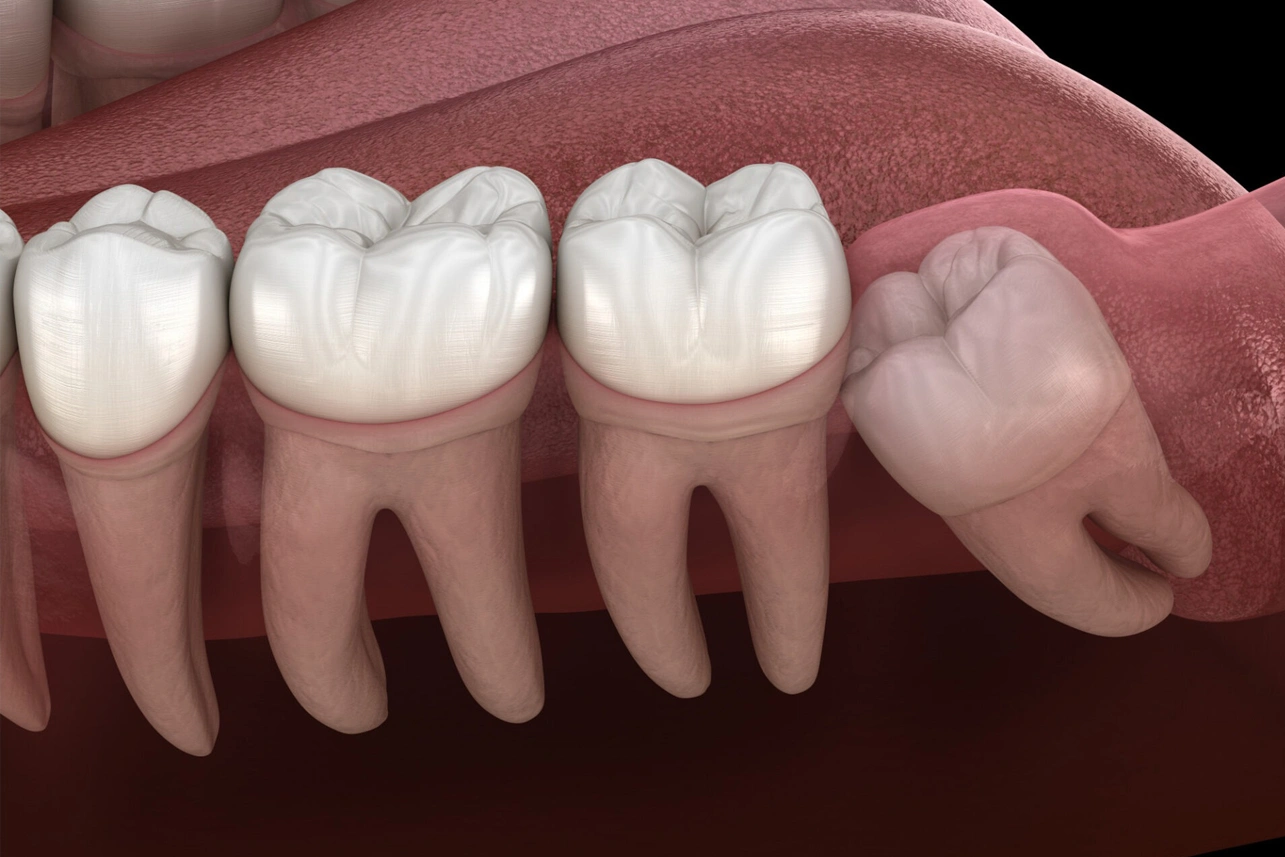
Wisdom teeth, also known as third molars, can be a source of significant dental issues for many individuals. These teeth typically emerge in late adolescence or early adulthood, and their arrival can often lead to various complications necessitating surgical extraction. Understanding the indications for surgical tooth extractions, the procedure itself, and potential complications is crucial for anyone facing this common dental dilemma.
Understanding Wisdom Teeth
Wisdom teeth are the final set of molars to emerge, usually between the ages of 17 and 25. While some people may have no issues with their wisdom teeth and may not require extraction, for many, these teeth can become problematic due to a lack of space in the mouth or their improper alignment.
Common Indications for Surgical Tooth Extractions
- Impaction: One of the primary reasons for wisdom tooth extraction is impaction. Impacted wisdom teeth are unable to fully erupt through the gums due to obstruction by other teeth or the jawbone. This can lead to pain, swelling, and infection.
- Crowding: When there isn’t enough room in the jaw for the wisdom teeth to emerge properly, they can push against adjacent teeth, causing crowding and potential damage to neighboring teeth.
- Infection: Wisdom teeth that only partially emerge through the gums can create a pathway for bacteria to enter around the tooth, leading to infections like pericoronitis (inflammation of the gum tissue around the tooth).
- Decay: Due to their location at the back of the mouth and difficulty in cleaning, wisdom teeth are more prone to decay and cavities. In cases where the decay is extensive and cannot be restored, extraction may be necessary.
- Cysts and Tumors: Rarely, cysts or tumors can develop around impacted wisdom teeth. These growths can cause damage to the surrounding teeth and jawbone and may require surgical removal of the affected tooth.
The Extraction Procedure
The process of wisdom tooth extraction typically involves several steps:
- Initial Assessment: Your dentist or oral surgeon will conduct a thorough examination. Which may include X-rays to assess the position of the wisdom teeth and their relationship to adjacent structures.
- Anesthesia: Dentists will use local anesthesia, sedation, or general anesthesia to ensure your comfort during the procedure, depending on the extraction’s complexity and your preference.
- Extraction: The dentist may need to section the tooth into smaller pieces to facilitate its removal. Once the dentist extracts the tooth, they may stitch the area closed if necessary.
- Recovery: Following the procedure, your dentist will provide instructions on post-operative care, including managing pain and swelling, as well as proper oral hygiene practices.
Potential Complications
While wisdom tooth extraction is a common and generally safe procedure, there are potential complications to be aware of:
- Dry Socket: This occurs when the blood clot that forms in the socket after extraction becomes dislodged. This exposes the bone and nerves underneath and causing intense pain.
- Nerve Injury: In some cases, the nerves in the jawbone near the extraction site can be damaged during the procedure. It can lead to temporary or permanent numbness or tingling in the lips, tongue, or chin.
- Infection: Although rare, infections can occur following surgical tooth extractions, manifesting as persistent pain, swelling, or drainage from the extraction site.
- Sinus Problems: If a wisdom tooth in the upper jaw is close to the sinus cavity, its removal can sometimes create an opening between the mouth and sinus, causing sinus issues.
Recovery and Aftercare
Recovery from wisdom tooth extraction typically takes about a few days to a week, during which time it’s important to follow your dentist’s instructions carefully:
- Pain Management: Over-the-counter pain relievers or prescribed medications can help manage discomfort during the healing process.
- Swelling: Applying ice packs to the outside of your face can help reduce swelling in the initial days after surgery.
- Soft Diet: Eating soft foods and avoiding hard, chewy, or spicy foods can prevent irritation to the extraction site.
- Oral Hygiene: Gently rinse with saltwater. Avoid vigorous brushing near the extraction site. It can aid in healing and prevent infection.
What Our Patients Say:
My wisdom teeth were impacted, and the extraction process was smooth. The dental team was professional and made me feel at ease.
Sarah P.
I was nervous about getting my wisdom teeth out, but the procedure was quick and painless. The aftercare instructions were clear, and I recovered without any issues.
George D.
Final Words!
In conclusion, not everyone will experience problems with their wisdom teeth. Understanding the indications for surgical tooth extractions and being aware of the procedure and potential complications is essential. Regular dental check-ups and X-rays can help monitor the development of wisdom teeth and determine if extraction is necessary.
If you’re experiencing pain, swelling, or other symptoms related to your wisdom teeth, consult with your dentist or oral surgeon to discuss the best course of action. Wisdom teeth woes can be effectively managed with timely intervention, ensuring long-term dental health and comfort.