
Sedation dentistry results don’t last without these between-visit habits in Richmond — and that’s something many patients don’t realize until their smile starts to fade. Dr. Marcus Rhodes at Inspire Smiles sees it regularly. Patients leave feeling great after a comfortable sedation appointment. Then they return months later with new concerns that simple daily habits could have prevented.
The good news is that protecting your dental results doesn’t require complicated routines. It just requires consistency and the right techniques. This guide breaks down exactly what you should do between visits to keep your smile looking and feeling its best.
Why Sedation Dentistry Results Need Daily Maintenance in Richmond
Sedation dentistry helps patients receive comprehensive care in a single visit. Crowns, fillings, bonding, and deep cleanings can all happen while you’re relaxed and comfortable. But the work done in the chair is only part of the equation. What you do at home determines how long those results actually last.
Richmond, TX has a climate that encourages outdoor activities and social dining. That lifestyle often means more exposure to foods and drinks that stain or damage dental work. Without consistent home care, even high-quality restorations can degrade faster than expected.
Think of your dental work like a fresh coat of paint on a house. Professional application matters enormously. But without regular upkeep, the elements will wear it down. Your daily habits are that upkeep.
The Right Brushing Technique to Protect Your Dental Work
Brushing twice a day is common knowledge. But brushing correctly is where most people fall short. Aggressive scrubbing can wear away enamel, irritate gums, and even scratch the surface of dental restorations like crowns or bonding.
Dr. Rhodes recommends using a soft-bristled toothbrush at all times. Hold it at a 45-degree angle toward your gumline. Use gentle, circular motions rather than back-and-forth scrubbing. Spend at least two full minutes brushing every session.
Here are key brushing habits to protect your sedation dentistry results:
- Use a soft-bristled or electric toothbrush for gentler cleaning
- Brush for a minimum of two minutes, morning and night
- Avoid whitening toothpastes with harsh abrasives on bonded or crowned teeth
- Replace your toothbrush every three months
- Do not brush immediately after acidic foods — wait at least 30 minutes
Electric toothbrushes with pressure sensors are especially helpful. They alert you when you’re pushing too hard. This simple tool can make a significant difference in how long your dental work lasts.
Flossing and Rinsing Habits That Extend Your Results
Flossing reaches the areas your toothbrush simply cannot. Bacteria and food particles that sit between teeth cause gum disease and decay. Both of these issues can destroy dental restorations over time.
Floss at least once daily, ideally before bed. If you have dental bridges, a floss threader or water flosser helps you clean beneath the bridge pontic. Patients with Dental Bridges Richmond residents rely on should pay special attention to this step — plaque buildup under a bridge accelerates deterioration.
Rinsing with an alcohol-free antibacterial mouthwash adds another layer of protection. Alcohol-based rinses can dry out the mouth and reduce saliva production. Saliva is your mouth’s natural defense against bacteria and acid.
Here are simple flossing and rinsing habits to build into your routine:
- Floss once daily, preferably at night before brushing
- Use a water flosser if traditional flossing is difficult
- Rinse with an alcohol-free antibacterial mouthwash
- Stay well hydrated throughout the day to support saliva flow
- Avoid rinsing with plain water immediately after using fluoride toothpaste
Diet Adjustments That Protect Sedation Dentistry Results
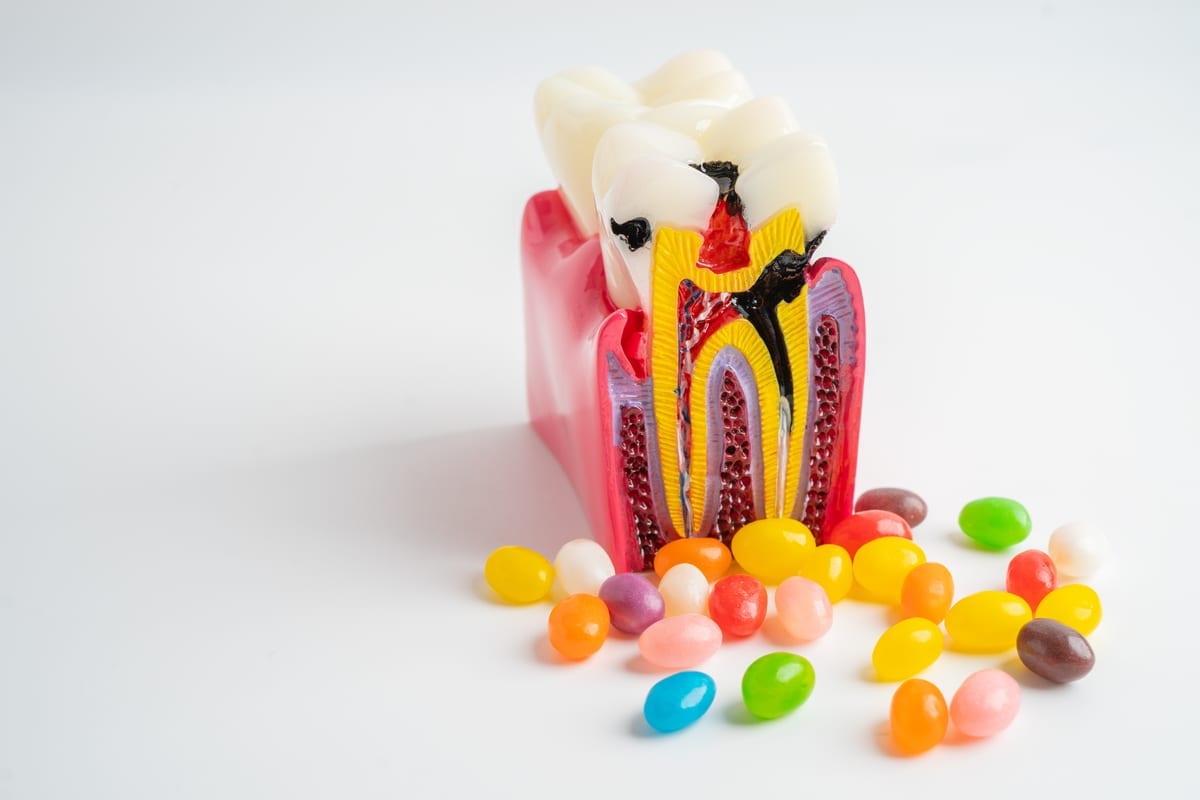
What you eat between dental appointments directly affects your results. Sugary foods and acidic drinks create an environment where bacteria thrive. That environment breaks down enamel, stains restorations, and leads to new decay.
Richmond residents often enjoy sweet tea, sodas, and barbecue sauces — all of which are highly acidic or sugar-rich. Limiting these items doesn’t mean eliminating them. It means being mindful and rinsing with water after consuming them.
Hard foods pose a different risk. Biting into ice, hard candies, or crusty bread can chip dental bonding or crack crowns. These are the kinds of small habits that cause big problems over time.
Some easy dietary adjustments that help preserve dental work include:
- Drink water instead of soda or juice throughout the day
- Use a straw when drinking acidic beverages to reduce tooth contact
- Avoid biting ice, hard candies, or unpopped popcorn kernels
- Eat crunchy vegetables instead of sticky or chewy snacks
- Rinse with water after every meal when brushing isn’t possible
These small changes compound over time. Patients who adopt them consistently maintain their dental work significantly longer than those who don’t.
Products and Tools Recommended Between Visits
Not all dental products are created equal. Using the right tools at home makes a measurable difference in how well your results hold up. Dr. Marcus Rhodes often recommends specific products based on each patient’s dental history and restorations.
Fluoride toothpaste strengthens enamel and helps prevent new decay from forming around restorations. Look for formulas approved by the American Dental Association. Avoid gel toothpastes with micro-beads or harsh whitening agents if you have bonding or porcelain restorations.
Night guards are another important tool for many patients. Teeth grinding during sleep can crack crowns, wear down enamel, and undo careful dental work. If Dr. Rhodes has mentioned grinding as a concern, wearing your night guard consistently is non-negotiable.
Also consider asking about your financial options. Understanding Dental Insurance Richmond patients can access helps you plan for regular cleanings and check-ups without financial stress getting in the way of consistent care.
How Often Should Richmond Patients Come Back for Cleanings?
Even with perfect home care habits, professional cleanings remain essential. Tartar — hardened plaque — can only be removed with professional tools. It builds up even in patients with excellent brushing routines.
Most patients benefit from cleanings every six months. However, patients who had extensive sedation dentistry work may benefit from more frequent visits initially. Dr. Rhodes will advise you on a schedule that fits your specific situation.
Between-visit habits set the foundation. But they work best when combined with regular professional oversight. Think of your home care and your dental visits as two parts of the same system — one cannot fully replace the other.
Conclusion: Your Habits Are the Bridge Between Appointments
Sedation dentistry results don’t last without these between-visit habits in Richmond — but building those habits is entirely within your reach. Brushing correctly, flossing daily, eating mindfully, and using the right products all add up to a smile that lasts. Dr. Marcus Rhodes and the team at Inspire Smiles are here to guide and support you every step of the way. Book Now to schedule your appointment with our team.
Frequently Asked Questions
How soon after sedation dentistry should I start my normal home care routine?
Most patients can resume brushing and flossing the day after their sedation dentistry appointment. However, be gentle around any treated areas for the first few days. Dr. Rhodes will give you specific post-care instructions based on what was done during your visit.
Can I whiten my teeth at home after getting dental bonding or crowns?
Whitening products do not change the color of restorations like bonding or crowns. Using them on natural teeth can actually create a color mismatch. Talk to Dr. Rhodes before using any whitening product to make sure it won’t affect your existing dental work.
What is the best mouthwash to use after sedation dentistry procedures?
An alcohol-free antibacterial mouthwash is generally the safest choice. It reduces bacteria without drying out your mouth. Dry mouth increases your risk of decay, so avoiding alcohol-based rinses is especially important if you tend to have a dry mouth already.
How does diet affect dental crowns and bridges specifically?
Sticky foods can loosen crowns and pull at bridge structures over time. Acidic foods and drinks weaken the cement that holds crowns in place. Rinsing with water after meals and avoiding extremely sticky or hard foods will help your crowns and bridges last much longer.
Is it normal for teeth to feel sensitive between dental appointments?
Some sensitivity is normal after procedures, especially involving crowns or fillings. Persistent or worsening sensitivity between visits should be evaluated promptly. Contact Inspire Smiles if sensitivity lasts more than a few weeks or suddenly appears — it may indicate an issue that needs attention.