
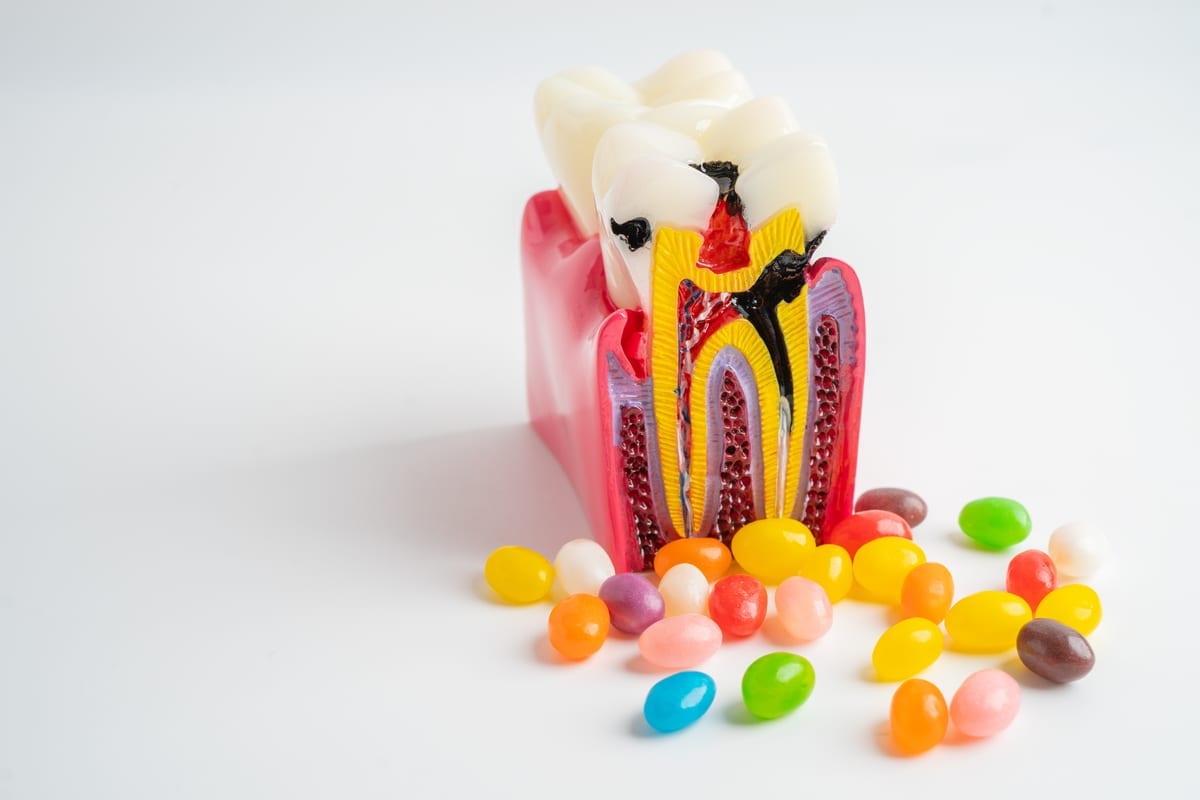
Understanding why your root canal isn’t complete without a crown in Richmond can save your tooth from serious damage. A root canal removes infected pulp and seals the tooth. But that step alone does not fully protect what remains. At Inspire Smiles, Dr. Marcus Rhodes helps patients in Richmond, TX understand every phase of their treatment — including what comes next.
What Happens to a Tooth After Root Canal Treatment?
A root canal saves a tooth by removing its nerve and infected tissue. The tooth survives, but it changes significantly. Without a living pulp, the tooth loses its internal moisture source.
Over time, that tooth becomes brittle and more prone to cracking. Biting forces that once felt normal can now cause serious fractures. A fractured tooth after a root canal often cannot be saved at all.
This is exactly why a dental crown becomes the essential next step. The crown acts as a protective shell over the entire treated tooth. It restores function, shape, and strength all at once.
Why Skipping the Crown Puts Your Tooth at Risk in Richmond
Some patients feel fine after a root canal and delay the crown. This is one of the most common mistakes we see in Richmond dental care. The treated tooth may feel comfortable, but it is still vulnerable.
Without a crown, these risks increase significantly:
- The tooth can crack or fracture under normal chewing pressure
- Bacteria can re-enter the tooth through the temporary filling
- The tooth structure may weaken further over weeks or months
- You may ultimately lose the tooth and need a replacement option
Losing a tooth creates its own set of challenges. Patients then need to explore options like Dental Bridges Richmond or implants to restore their smile. Protecting the tooth with a crown from the start is almost always the better path.
Dr. Marcus Rhodes strongly recommends completing the crown within a few weeks of your root canal. Waiting too long increases the chance of complications. Acting promptly protects your investment in the treatment.
What the Crown Appointment Actually Involves
Many patients are nervous about the crown appointment because they do not know what to expect. In reality, the process is straightforward and far less uncomfortable than the root canal itself. Here is what typically happens at Inspire Smiles during your crown visit.
Your crown appointment generally follows these steps:
- Examination and X-rays: Dr. Rhodes reviews the treated tooth and confirms it has healed properly.
- Tooth preparation: The outer surface of the tooth is gently shaped to create room for the crown.
- Impressions or digital scans: Precise measurements are taken so your crown fits perfectly.
- Temporary crown placement: A temporary crown protects your tooth while the permanent one is made.
- Permanent crown fitting: At your follow-up visit, the final crown is bonded securely in place.
The entire preparation appointment usually takes about an hour. Most patients experience only mild sensitivity afterward. This discomfort typically fades within a day or two.
Modern dental crowns are designed to blend naturally with your surrounding teeth. They restore a full, confident bite. Most patients are surprised by how seamless the result looks and feels.
How Long Does a Crown Last After a Root Canal?
A well-placed crown can last 10 to 15 years or longer with proper care. The lifespan depends on your oral hygiene habits and regular dental visits. Patients who brush, floss, and attend cleanings consistently get the most from their crowns.
Dr. Marcus Rhodes recommends these habits to protect your crown long-term:
- Brush twice daily with a soft-bristled toothbrush
- Floss carefully around the crown each day
- Avoid chewing ice or very hard foods
- Wear a night guard if you grind your teeth
- Attend your routine teeth cleaning appointments every six months
Regular checkups allow Dr. Rhodes to monitor the crown and the surrounding gum tissue. Early detection of any issues keeps repairs simple and affordable. Preventive care truly extends the life of your dental work.
If you have questions about financing your treatment, our team can walk you through available options. You can also review information about Dental Insurance Richmond to better understand what your plan may cover. We want every patient to feel informed and supported throughout their care.
Choosing Inspire Smiles for Your Root Canal and Crown in Richmond
Dr. Marcus Rhodes and the team at Inspire Smiles take a patient-centered approach to every treatment. We believe in educating you, not rushing you. When you understand each step, you can make confident decisions about your dental health.
We offer root canal treatment and dental crowns under one roof in Richmond, TX. That continuity of care means fewer appointments at separate offices. It also means your provider knows your complete dental history from start to finish.
Our practice also provides sedation dentistry for patients who feel anxious about dental procedures. Comfort is always a priority here. You should never feel alone or overwhelmed during your treatment journey.
If you recently had a root canal and have not yet scheduled your crown, now is the time to act. Delaying increases your risk of losing the tooth entirely. Protecting your smile today is always the smartest investment. Book Now to schedule your appointment with our team.
Frequently Asked Questions
Is a crown always required after a root canal?
In most cases, yes. Back teeth like molars and premolars absorb heavy chewing forces and almost always need a crown. Front teeth sometimes have exceptions, but Dr. Rhodes will evaluate your specific situation and recommend the best protection for your tooth.
How soon after a root canal should I get a crown?
Most dentists recommend scheduling your crown appointment within two to four weeks of completing the root canal. Waiting longer leaves your tooth at risk of cracking or reinfection. Acting promptly gives the tooth the best chance of long-term success.
Will getting a crown hurt?
The crown appointment is much more comfortable than the root canal procedure. Local anesthesia is used during tooth preparation so you feel little to nothing. Some mild sensitivity after the appointment is normal and usually resolves quickly.
Can the crown fall off or break?
Crowns are durable, but they are not indestructible. Grinding your teeth, chewing hard objects, or trauma can damage or dislodge a crown. If your crown ever feels loose or uncomfortable, contact Inspire Smiles promptly so Dr. Rhodes can evaluate and repair it.
What if I cannot afford a crown right away?
Our team understands that dental costs can feel overwhelming. We encourage patients to speak with our front desk about available financing options and payment plans. Protecting your treated tooth sooner rather than later also prevents more expensive procedures down the road.