
Wisdom teeth removal is a common procedure, but it often comes with a cloud of fear and misunderstanding. Many people worry about pain, complications, and the myth that their jaw might break during the extraction.
Have you ever heard someone say they were terrified of wisdom teeth surgery because of this?
Let’s clear the air! Understanding the process can help ease your concerns and make you feel more confident in your decision.
In this blog, we’ll explore the truth behind wisdom teeth and why their removal won’t lead to jaw issues. We’ll discuss what wisdom teeth are, the reasons they often need extraction, and the safe procedures dentists follow to ensure your comfort and safety.
By the end, you’ll have a clearer picture of the process and the confidence to face your dental appointments without fear. So, let’s dive in and debunk the myths surrounding wisdom teeth extraction together!
Wisdom Teeth and Their Purpose
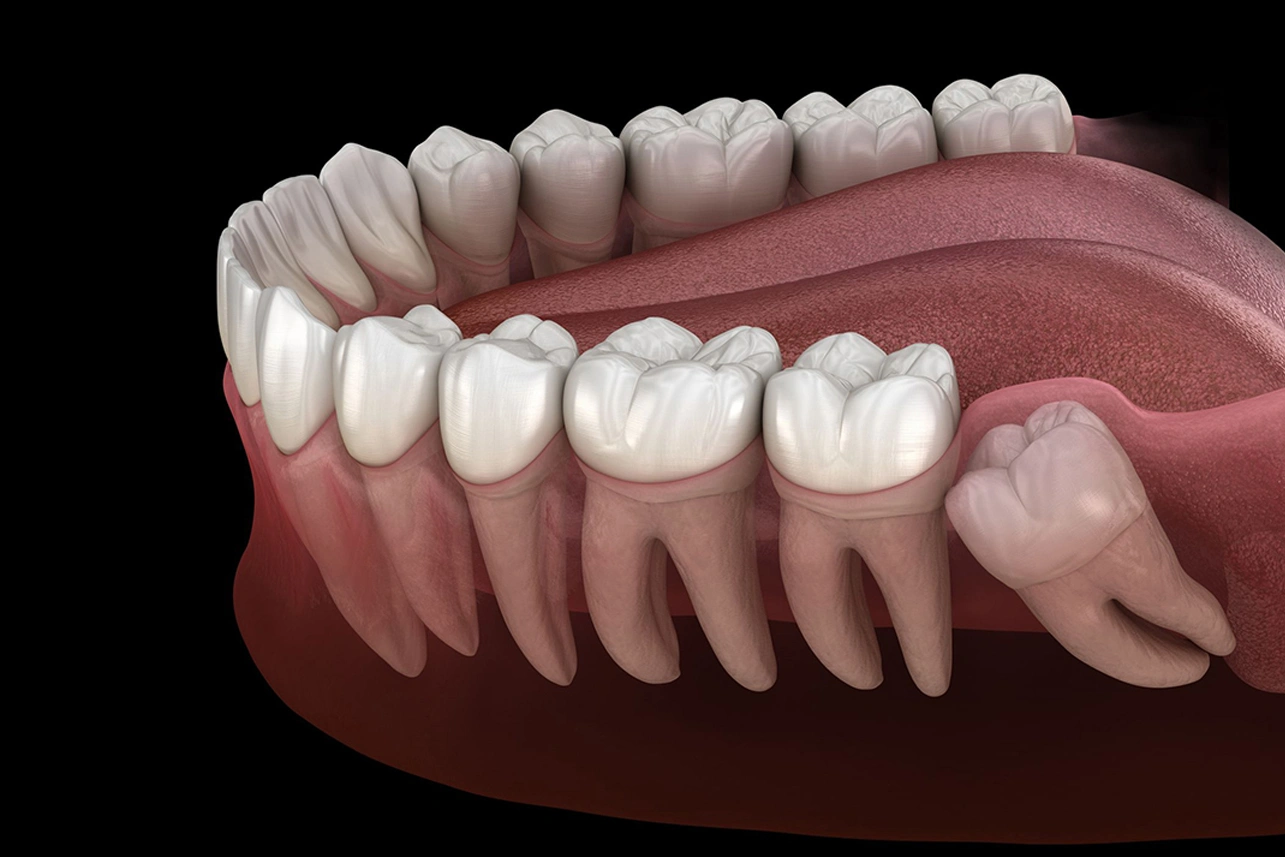
Wisdom teeth, also known as third molars, usually emerge in late adolescence or early adulthood. These teeth were once useful for our ancestors, who needed them for chewing tough plant material. However, our diets have changed, and these teeth often no longer serve a functional purpose. Instead, they frequently lead to problems.
- Evolutionary Remnants: Wisdom teeth were essential for our ancestors, but modern diets do not require them.
- Potential Issues: Many people don’t have enough space in their jaws for these extra molars, leading to impaction and other dental issues.
- Pain and Discomfort: Wisdom teeth can push against adjacent teeth, causing pain and discomfort.
Understanding the role of wisdom teeth helps clarify why they often require removal. For many, these teeth can become a source of complications, prompting dental professionals to recommend their extraction to avoid future problems.
Common Reasons for Wisdom Teeth Removal
Wisdom teeth removal isn’t just a routine procedure; it addresses several significant dental concerns. Here are some common reasons for extraction:
- Impaction: When wisdom teeth are trapped in the jaw or beneath the gums, they can become impacted. This condition can cause pain, swelling, and infection.
- Crowding: If there isn’t enough space in your mouth, wisdom teeth can crowd existing teeth. This misalignment may affect your bite and overall dental health.
- Infection or Decay: Wisdom teeth can be challenging to clean properly, leading to decay or gum disease. If a tooth develops an infection, extraction may become necessary.
Dentists often recommend removal to prevent these issues from worsening. Understanding these reasons can help alleviate fears and empower you to make informed decisions about your dental care.
The Wisdom Teeth Removal Process
Knowing what to expect during wisdom teeth removal can ease anxiety about the procedure. Here’s a breakdown of the process:
- Pre-operative Assessment: Your dentist will evaluate your dental history and take X-rays to assess the position of your wisdom teeth. This assessment helps determine the best approach for your extraction.
- Anesthesia Options: Depending on the complexity of your case, your dentist may offer local anesthesia, sedation, or general anesthesia. Discuss your options to choose the most comfortable approach for you.
- The Extraction Process: The dentist will carefully extract the wisdom teeth. For impacted teeth, this may involve removing some surrounding gum and bone tissue. Throughout the procedure, the dental team will monitor your comfort and safety.
This systematic approach ensures a smooth extraction process while prioritizing your well-being.
Myths About Jaw Damage During Removal
Many people fear that wisdom teeth removal might break their jaw. Let’s dispel this myth and clarify the facts:
- Common Concerns: People often worry about jaw fractures during extraction due to the perceived force required to remove impacted teeth.
- Anatomical Considerations: The jaw is a robust structure, designed to withstand significant forces. Dentists take special care during extractions to protect the surrounding tissues.
- Safe Techniques: Dental professionals utilize precise techniques and advanced tools to ensure that jaw damage is virtually unheard of during the extraction process.
Post-Operative Care and Recovery
After wisdom teeth removal, proper care is crucial for a smooth recovery. Here’s what to expect:
- Initial Recovery: Expect some swelling, discomfort, and bleeding in the first few hours after the procedure. This is normal, but your dentist will provide specific aftercare instructions.
- Pain Management: Over-the-counter pain relievers or prescribed medication can help manage discomfort. Applying ice packs can reduce swelling effectively.
- Diet Recommendations: Stick to soft foods for the first few days. Avoid hard, crunchy, or hot foods that could irritate the extraction site.
Following these guidelines will help you recover comfortably and quickly, ensuring a smooth transition back to your normal routine.
Signs You Need to Consult a Dentist
While wisdom teeth removal typically goes smoothly, complications can arise. Be aware of the following signs that indicate you should consult your dentist:
- Excessive Pain: If you experience severe or worsening pain beyond the first few days, it might signal an issue.
- Swelling or Infection: Swelling that doesn’t improve or increases can be a sign of infection. Look for redness, warmth, or pus around the extraction site.
- Persistent Bleeding: Minor bleeding is expected, but if you experience heavy bleeding that lasts more than a few hours, seek dental advice.
Wisdom teeth removal doesn’t have to be a source of fear. Understanding the process can empower you to approach the procedure with confidence. With proper care and guidance from your dental team, recovery can be smooth and uncomplicated. Remember, if you have any concerns, don’t hesitate to reach out to your dentist. They’re there to help you through every step, ensuring your oral health remains a top priority. So, take a deep breath and embrace a future free of wisdom teeth worries!